Many buyers ask, “How is the protein cooked?” A more revealing question is: how much prep does the supplier’s production take off your staff’s plate?
Yield, consistency, food safety, labor costs—all of these variables are decided on long before a protein reaches your kitchen. The more meticulous the supplier’s production, the less variability your team has to manage at the store level. For the broader picture on evaluating a protein partner, see our full guide on what to ask a foodservice protein supplier.
Here are seven prep-related questions that can give you clearer insight into what kind of protein you can expect from a supplier.
How Can I Maximize Yield From Proteins in My Kitchen?
Yield is most often lost in two places: shrinkage during cooking and inconsistency during dicing or slicing. All can happen in your kitchen unless the supplier accounts for them during R&D and commercialization. Ask suppliers for their cooked yield and how often it is verified.
How Can I Produce Consistent Results Across Batches, Staff, and Locations?
A proactive protein partner removes inconsistencies before the protein reaches your line. An excellent supplier will deliver pre-cooked, portion-controlled proteins according to your specs, every time. A line cook in Atlanta and a head chef in Cleveland can reheat the same product the same way, protecting the menu from drift across locations and giving the end customer a consistent experience, every time.
Which Cooking Style Should I Choose for My Menu—Sous Vide, Oven Roasted, or Braised?
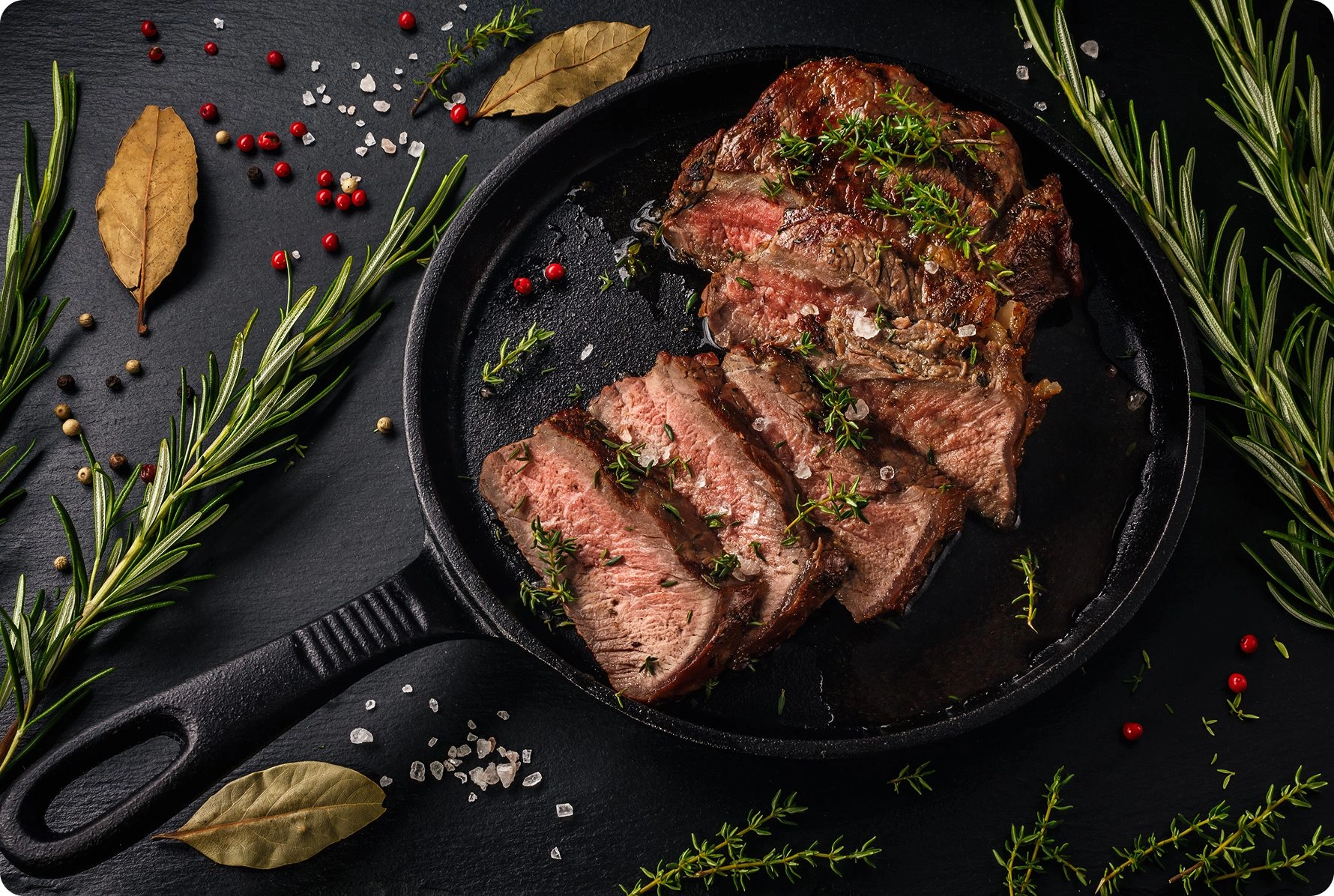
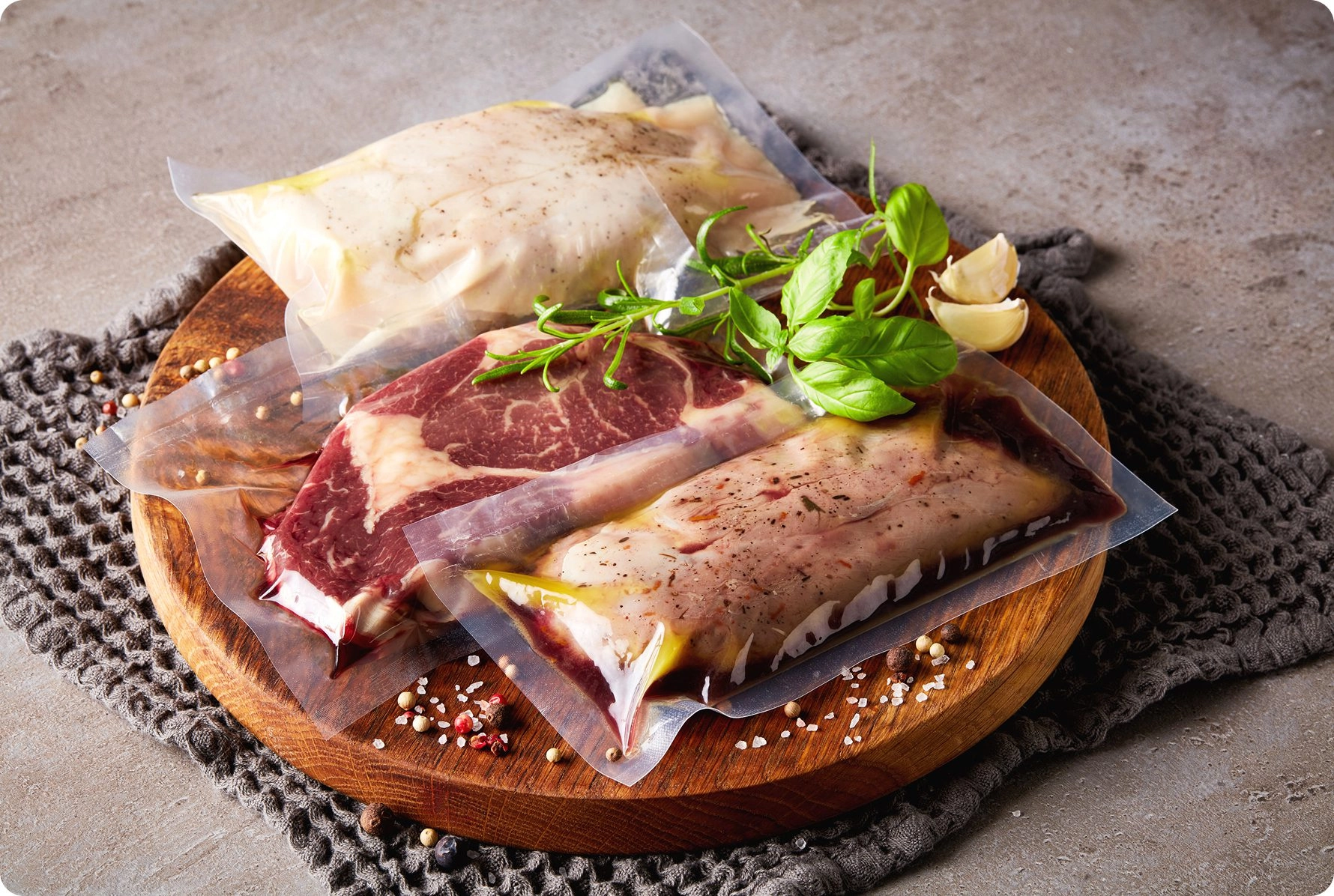
It depends on how the dish is intended to perform. Sous vide cooks in a sealed pouch at precise temperatures, holding moisture and delivering uniform doneness, which can be beneficial for virtually any type of dish. Oven-roasting provides a more caramelized exterior and Maillard color, which can be especially important for carving stations and presentation-driven plates. Braising builds richness and pull-apart texture, ideal for sandwiches and bowls.
How Can I Extend Shelf Life and Reduce Food Safety Risk With Fully-Cooked Meats?
Fully-cooked proteins shift much of the food safety risk away from your line. Sous vide products are cooked and chilled in their final packaging, which limits handling, oxygen exposure, and the temperature swings that can cause spoilage.
Certain sous vide products are hermetically sealed, meaning the protein never gets re-exposed between cook and serve, which extends refrigerated shelf life. Freezer storage stretches that further—oftentimes up to a year.
To get a clearer read on a potential partner’s food safety risk, ask them about their HACCP plan and pathogen testing cadence—a disciplined operation will be prepared and willing to show you their documentation.
How Can I Reduce the Labor Cost Tied to Prep?
Every minute of prep happening in your kitchen is labor you’re paying for. A protein that arrives cooked, portioned, and ready to reheat moves that labor to your supplier, helping you save on labor costs while maintaining quality.
For example, using fully-cooked sous vide brisket cuts labor from eight hours of active cooking to 20 minutes of reheating—reducing headcount, overtime, and scheduling complexity.
How Can I Cut Prep Time Without Sacrificing Quality?
Many assume that faster means cutting corners and a receiving a lower quality product. This isn’t the case if your supplier creates a quality product that speeds up your process. A fully-cooked, sous vide rotisserie style chicken is hours of careful, controlled cooking done before it ever reaches your kitchen. The result on the plate matches or beats what an in-house team produces, without the kitchen labor attached.
How Do I Evaluate Whether a Fully-Cooked Protein Will Work for My Menu?
Test it the way you’d actually use it. Order samples, reheat them in the equipment your stores already have, and plate them the way your menu specifies. Look at yield, texture, and how forgiving the product is when held on a line during service. Ask the supplier about portion tolerances, trim specs, and what the product is engineered to do—not just what it is. The right fully-cooked protein should slot into your existing workflow, not force a redesign.
The Right Supplier Makes the Kitchen Smarter
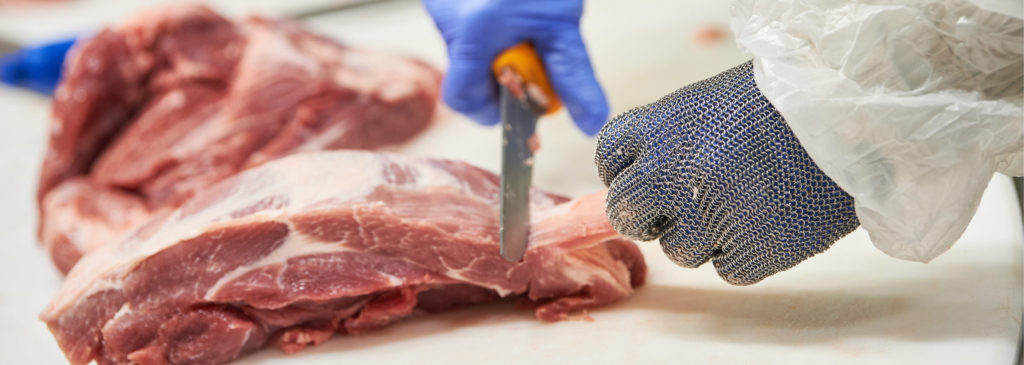
Production decisions shape what you’re buying. The right supplier’s production also shapes how much prep your kitchen has to do. Both deserve scrutiny before you sign the spec sheet.
Use the questions and answers above to identify how much of your operation a protein partner is willing to own. The more they’ve taken on upstream, the less your kitchen has to absorb downstream.
If you want to dive deeper into what a proactive protein partner can do for your business, check out our guide on How to Successfully Commercialize Your Next Protein.