Successfully preparing meat that restaurants are proud to serve requires skilled labor and specialized commercial kitchen equipment. This is why many restaurants work with outside partners for the initial phase of meat production, choosing to reheat, sear, grill, or add final seasonings in their kitchens for a more efficient process.
The challenge is that many methods for cooking meat can lead to inconsistent results. Cooking meat in the oven is at the mercy of the oven running too hot or cold and can easily produce meat that is too dry. Pan-searing can often result in uneven cooking throughout the cut. Sous vide cooking, on the other hand, eliminates these issues.
Sous vide is a sophisticated, precise way to prepare tender, flavorful, fully cooked meats. Using sous vide meat products in your restaurant simplifies prep, reduces back-of-house complexity, and ensures batch-to-batch consistency. Which is why more and more foodservice businesses are using fully-cooked sous vide meat in their kitchens.
Let’s explore how this technique can streamline your kitchen operations while boosting quality across every restaurant. But first, let’s establish what sous vide cooking actually is.
What Is Sous Vide Cooking?
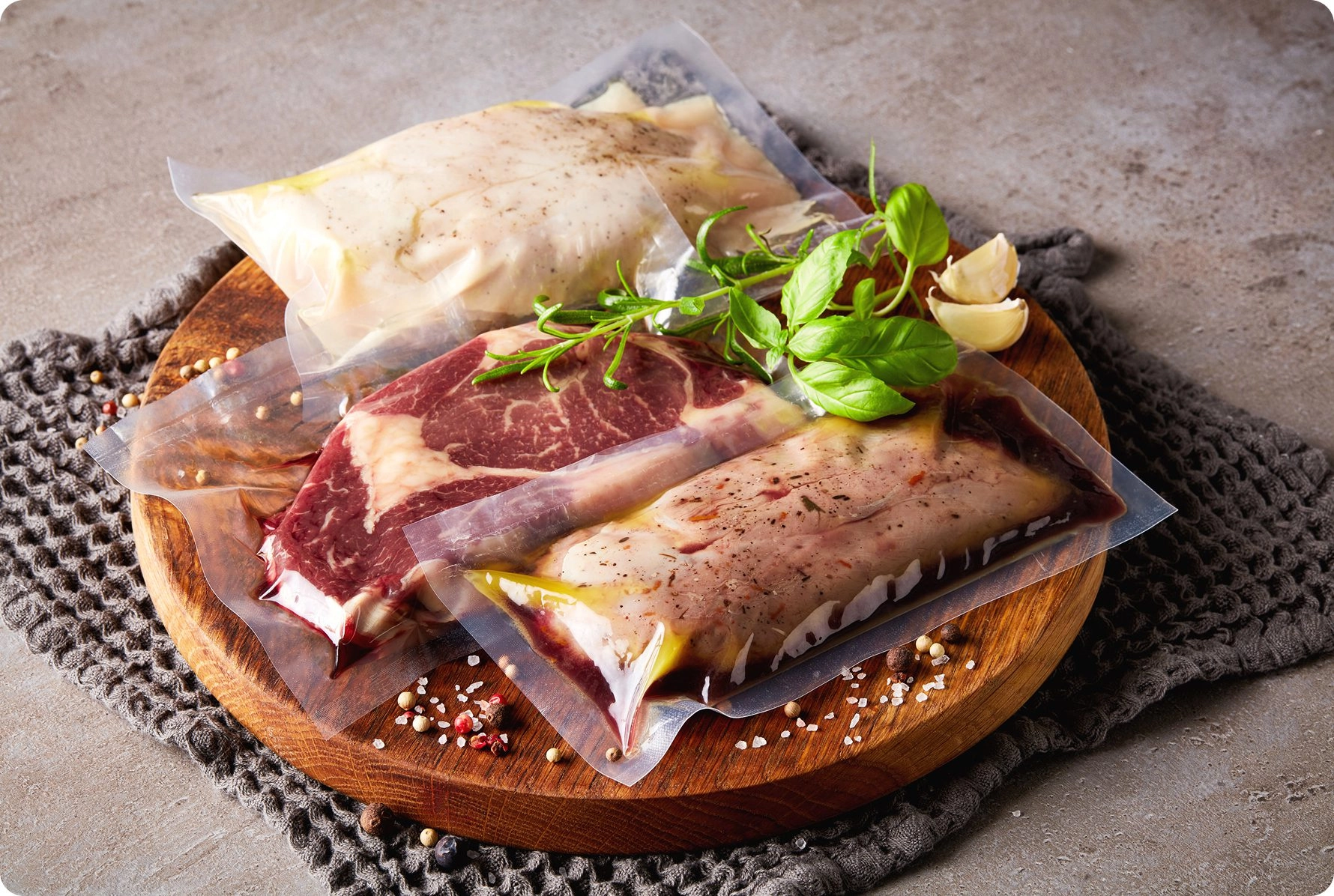
Sous vide is a cooking process that involves vacuum sealing meats, along with any additional seasonings or marinades, in an airtight bag. The sealed bag is then placed in a water bath that’s maintained at a precise temperature for many hours (sometimes up to 24 hours) using specialized sous vide equipment.
The sous vide cooking process requires three essential elements:
- Vacuum Sealed Bags: Meat is placed in heat-stable, food-grade bags that are hermetically sealed before cooking.
- Water Bath: The sealed food is placed in a container filled with water.
- Heating Equipment: An immersion circulator is used to heat the meat and keep the water at a consistent cooking temperature.
How Does Sous Vide Compare to Other Cooking Methods?
Sous vide cooking offers unparalleled tenderness and juiciness, especially when compared to other cooking methods like baking, grilling, and pan-frying. These other methods cook meat from the outside in, meaning the cut will range from an over-cooked exterior, then to well done, medium, and rare as the heat travels towards the center.
Grilling results in bold, smoky flavors and enhanced visual appeal, but a lot of moisture gets lost in the process. Additionally, the open flame’s heat is difficult to control, which can lead to uneven doneness.
Pan-frying can impart lots of flavor and an attractive outside sear, especially when paired with butter basting and/or other techniques. However, pan-frying often has heat control issues, and hot spots on a pan can lead to uneven doneness.
Oven finishing is fast because it uses a higher heat, but this process quickly draws moisture out and can lead to dry products.
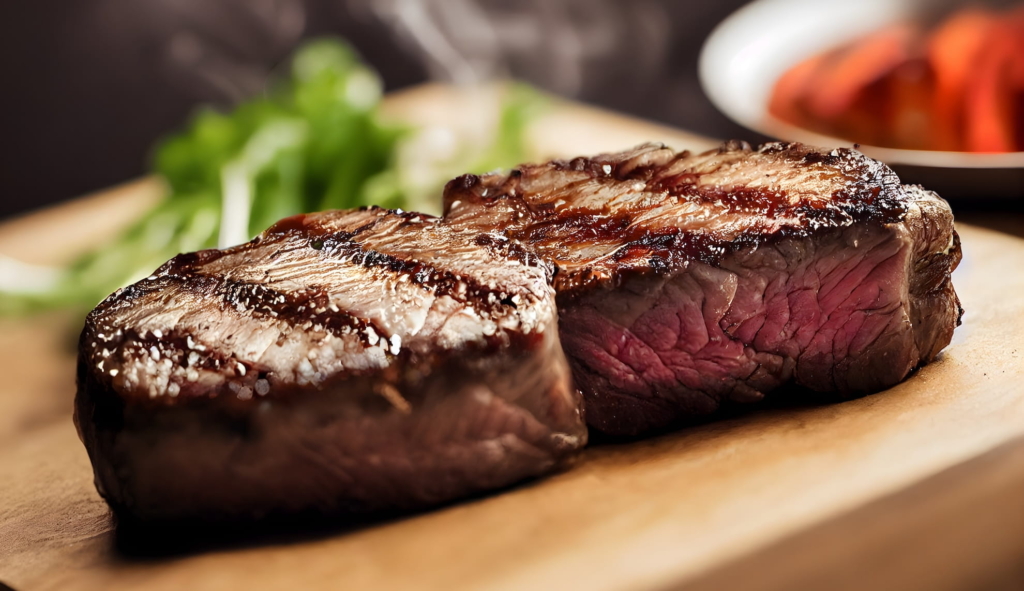
In contrast, sous vide cooking maintains a precise, low temperature while continually braising the meat in its natural juices for consistently delicious and succulent results. Since heat is applied uniformly in sous vide, every part of the meat is cooked to the exact same temperature for consistent, edge-to-edge doneness. While this method doesn’t create a crust on the outside of the meat, it is easy to sear or grill sous vide meats once cooked to get a charred or caramelized edge while maintaining its perfectly medium-rare center.
5 Benefits of Sous Vide Proteins
To better demonstrate how using sous vide meat products can benefit restaurants, let’s consider five key advantages for kitchens aiming for consistent, high-quality results that require less labor.
- Product Consistency
By cooking food to a precise temperature for an extended time, sous vide reduces the guesswork and inconsistencies found in other cooking methods. Any kitchen worker can prepare sous vide meats and get that same delicious flavor and textures every time. - Faster Reheat & Prep Times
Sous vide cooking typically takes hours to prepare. But by working with a supplier partner to provide fully cooked sous vide meats, you don’t need to worry about the time, skilled labor, or equipment needed to create dishes requiring complicated preparation. That cooking is done—exactly to your desired specifications—before the meat arrives at your door. Simply reheat the protein and serve. - Longer Shelf-Life
Sous vide’s hermetically-sealed environment facilitates a longer shelf life for the meat because it inhibits the oxidative processes and growth of microorganisms that cause spoilage. Sous vide cooking can increase product shelf life by up to three times more than restaurant-prepared meat, resulting in reduced food waste and more flexibility for how and when you use your meats. - Improved Food Safety Confidence
Sous vide cooking is a safe, science-based cooking process because the meat reaches and maintains its recommended minimum internal temperature. The sealed bag mitigates cross-contamination and pathogen risks, resulting in fewer food safety issues related to preparing proteins. - Better Moisture and Flavor Retention
With sous vide, all of the natural juices and seasonings remain with the meat in the vacuum-sealed bag, producing succulent and flavorful meats. You can tenderize and marinate meats before sous vide cooking to help lock in the additional flavors.
Prime Example: Sous Vide Steak
To give you a clear picture of how these benefits apply in the real world, let’s consider how your team can work with a sous vide cooked steak.
Many customers prefer to eat a medium rare steak, which can be difficult to replicate at scale in a restaurant kitchen when starting with raw meat. Meanwhile, sous vide steaks will be at your specified temperature and doneness every single time.
Since the sous vide steaks arrive in a vacuum sealed bag, they can be stored in the refrigerator for up to 50 days or in the freezer for several months (always refer to the expiration date on the label). Keeping the steaks in their original packaging ensures the cuts stay moist and won’t cross-contaminate with other foods. It also means less time spent on clean up, leaving more time available for plating and other finishing touches.
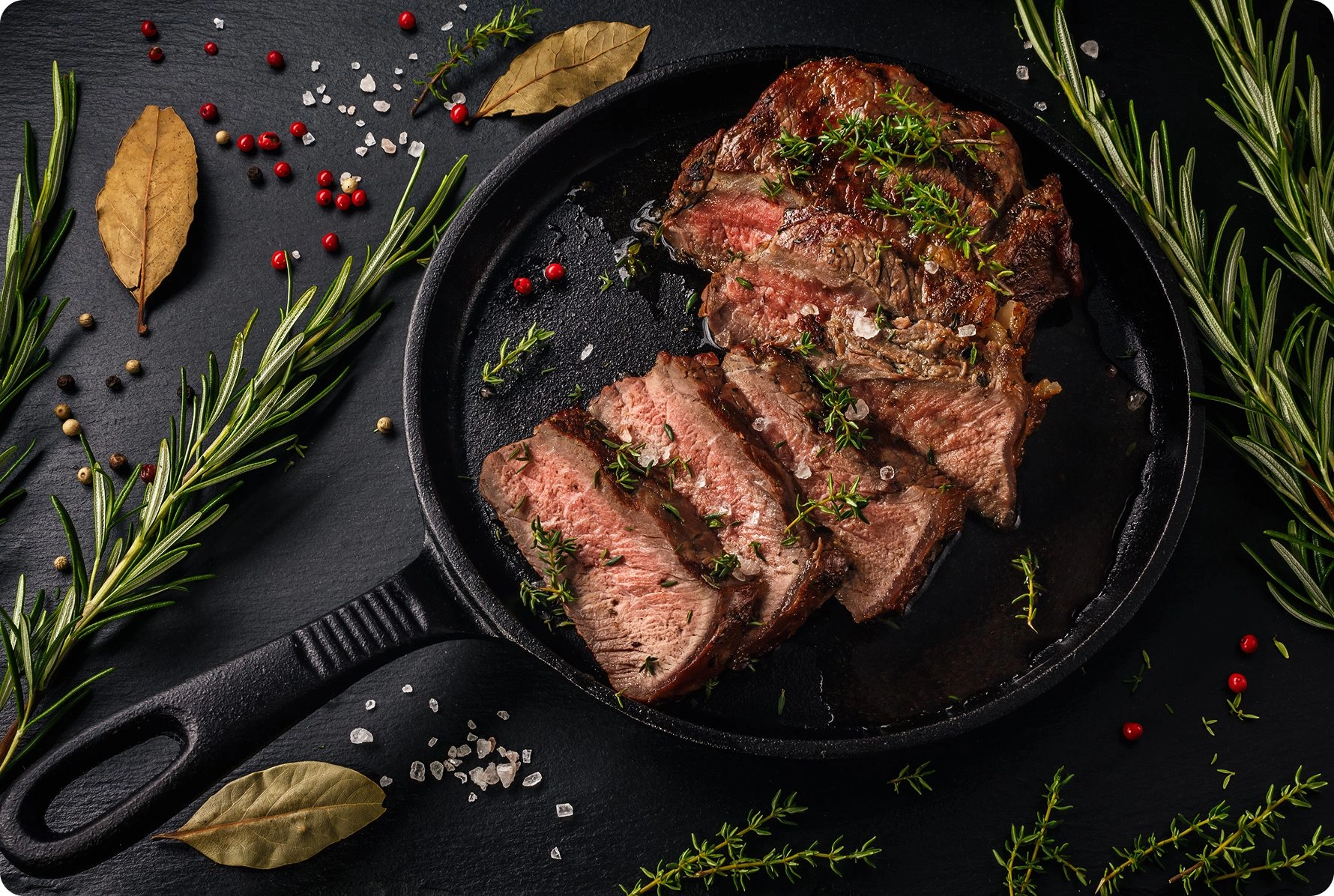
Simply remove the medium rare steak from the bag, sear for a final reheat, and serve.
Delicious Consistency Made Easy
Sous vide meats help you serve high-quality, flavorful proteins on your menu with less labor, no need for specialized cooking equipment, and no preparation guesswork. With Miniat handling the processing, your team can just focus on the final culinary touches. It’s time-saving, cost-effective, and deliciously consistent.
Ready to bring juicier, more flavorful meats to your kitchen? Let’s talk about Miniat’s sous vide solutions tailored to your operation.